The Science and Art of Growing Fruits Vegetables Flowers or Ornamental Plants
Horticulture is defined as the science and art of growing fruits, vegetables, flowers, or ornamental plants. At Milton Hershey School, students take been embracing this combination of fine art and scientific discipline for 110 years and counting.
The Hersheys' Appreciation for Nature
The Deed of Trust, which created the school in 1909, states that students "shall be instructed in the several branches of a sound education, agriculture, horticulture, gardening, such mechanical trades and handicrafts…it may be of import for them to acquire."
Milton Hershey'due south wife Catherine loved flowers, peculiarly roses, and Mr. Hershey shared a similar appreciation for nature. He created the Hershey Rose Garden (now chosen Hershey Gardens) equally a tribute to her.
Learning by Doing
The first article published in the Hershey Printing on Sept. xvi, 1910 shared that Milton Hershey School students were given a plot of footing to "raise cereals, vegetables, plants, and flowers." In 1912, a publication about the school's program shared that students learned past doing with a comprehensive, well-balanced curriculum—including modern methods of agriculture, horticulture, and diverse branches of animal husbandry, dairying, and creamery work.
In the Horticultural Section the boys will be taught the planting, budding, grafting, pruning and intendance of trees and vines; the right kind of soil, and the location and exposure for the different kinds of fruit trees, vines and shrubs; the study of injurious insects and the making and application of insecticides, scalecides and fungicides; something of landscaping and vegetable gardening, together with the propagation of plants and flowers and the practical features of greenhouse work.
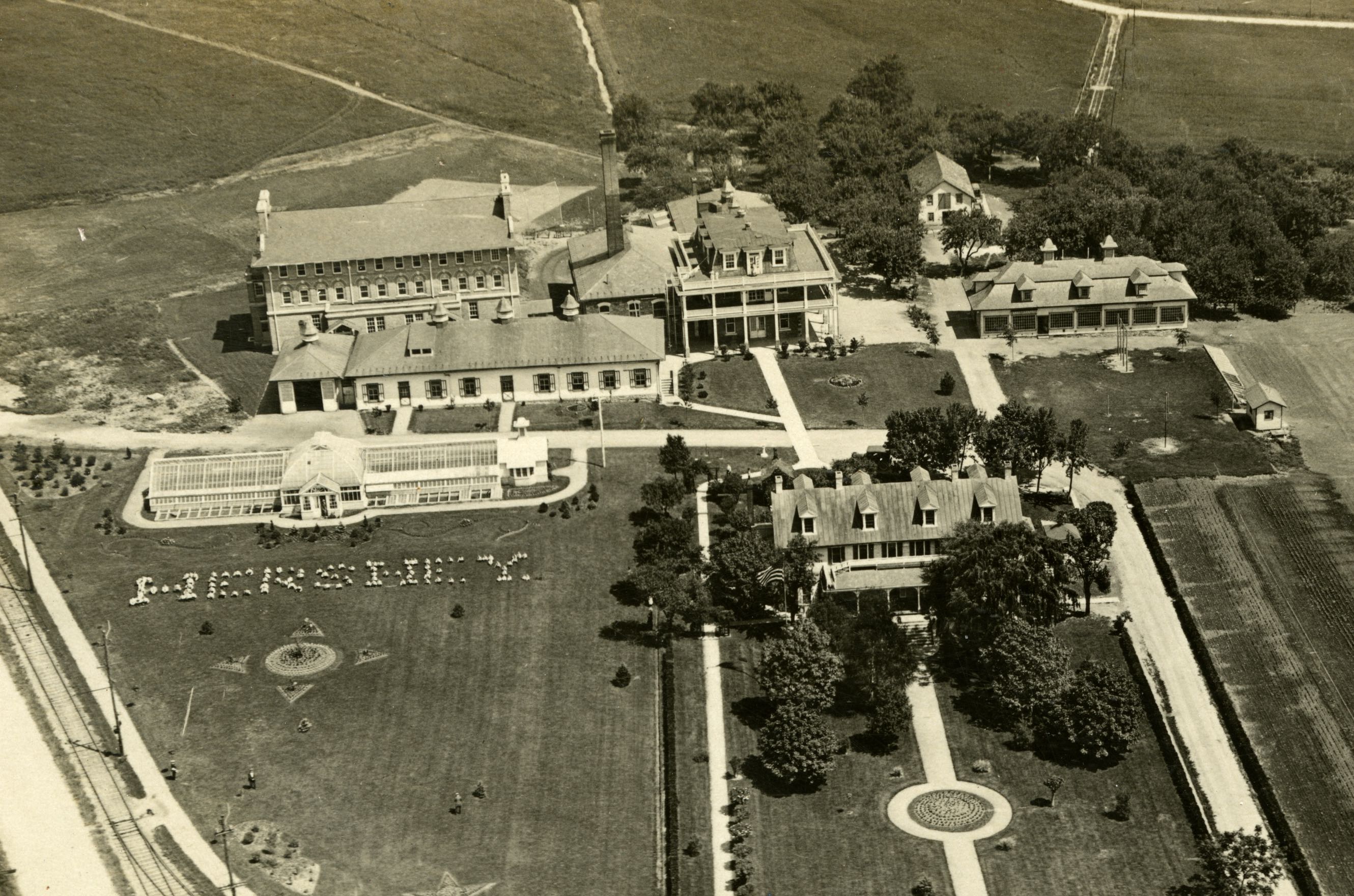
In the early 1920s, a greenhouse was added to the school, expanding on the Horticultural Department and the amount of hands-on learning experiences students would receive. Many people from the boondocks of Hershey started their gardens with plants from the school's greenhouse.
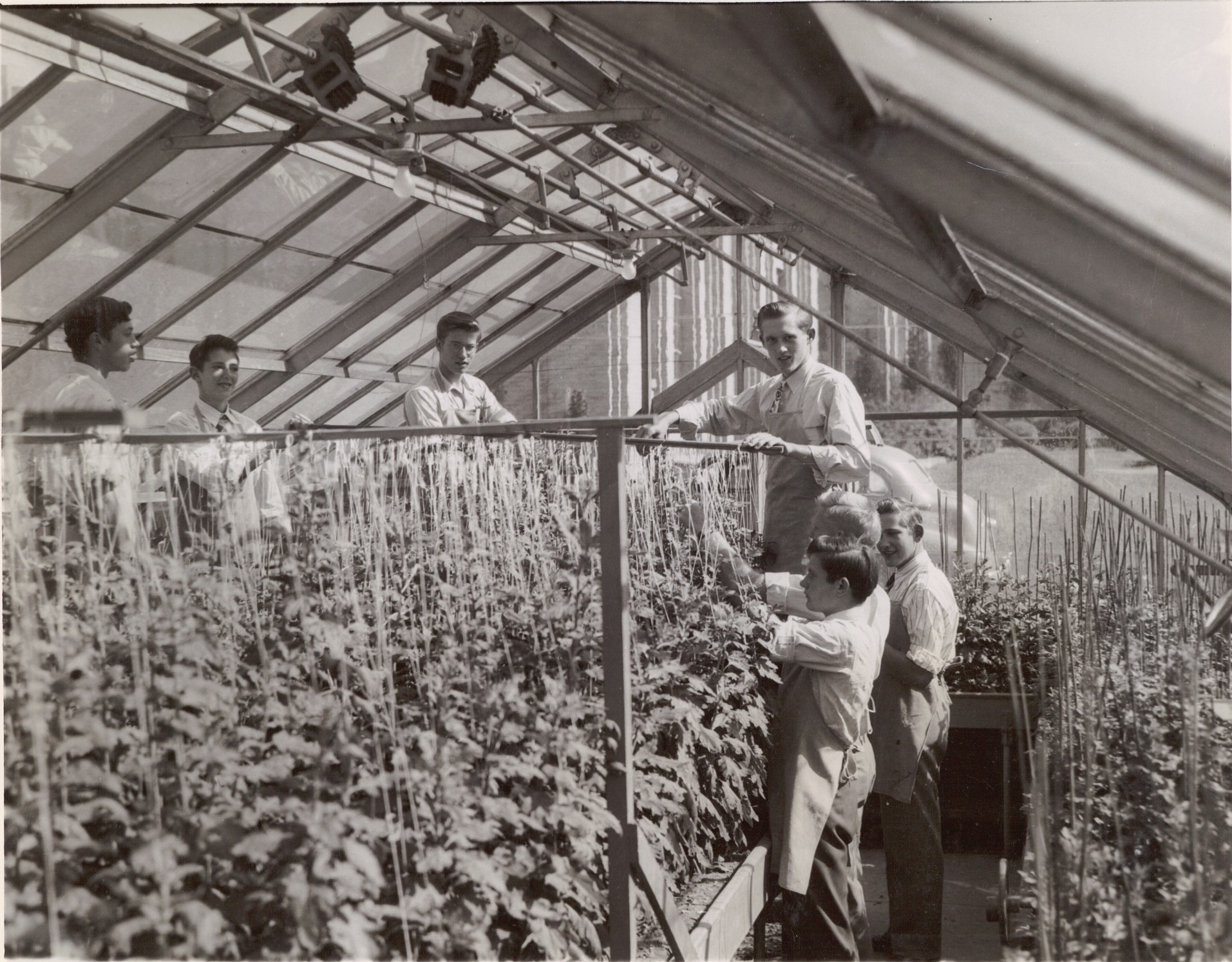
When the Junior-Senior High School (now Catherine Hall) opened in 1934, information technology likewise featured a greenhouse where students received hands-on instruction and learned about plants and flowers.
Horticulture Staff and Leaders
Henry Nixon, the school'south showtime vocational agriculture and horticulture teacher, recalled existence in a meeting where Milton Hershey asked who he was and what he did. When Mr. Hershey heard that Nixon was the new agronomics instructor, Milton Hershey replied, "I've been telling [Superintendent George] Copenhaver all along we needed a total-time agriculture teacher upward here. I finally got it done. Proficient."
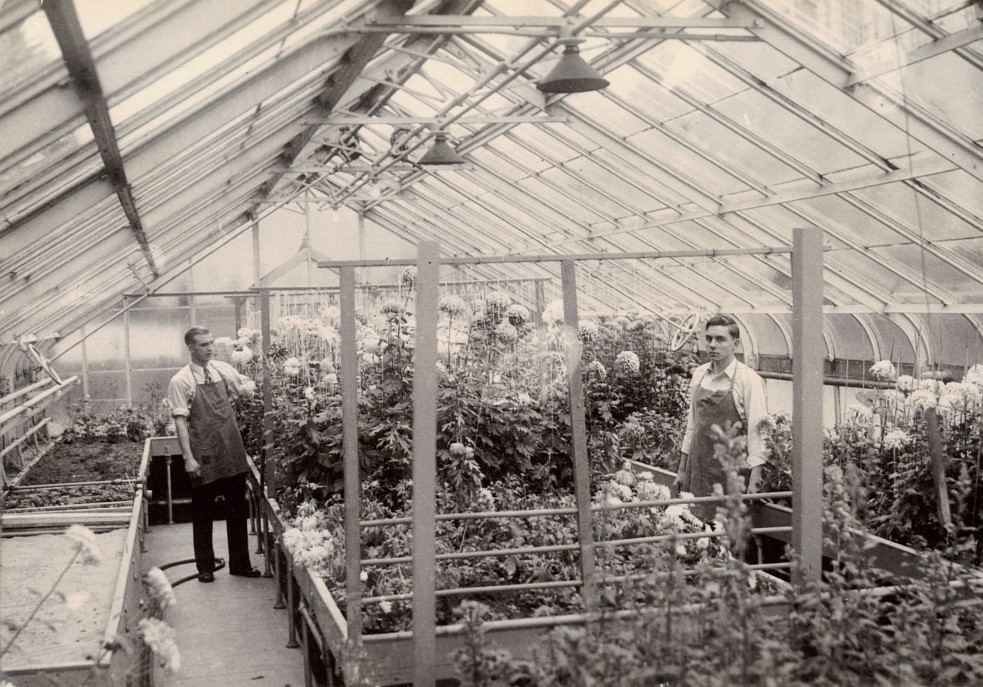
As a student, Harold Karl '44 was in the horticulture program. He worked at the Hershey Rose Garden and in the greenhouse near High Indicate Mansion, Milton Hershey's home. He had important responsibilities, including watering plants at High Point Mansion. Mr. Hershey was known to spend time talking with Karl and oftentimes asked how he was doing. Karl remembers Milton Hershey equally a very kind and gentle human.
Horticulture Today
Staying true to our founders' roots, a modern Horticultural Heart opened in 1998 on the MHS campus. Information technology contains the following amenities for students:
- A kindergarten through 12th-form laboratory and classroom
- A large conference room for activities
- A business firm for plant potting and storage
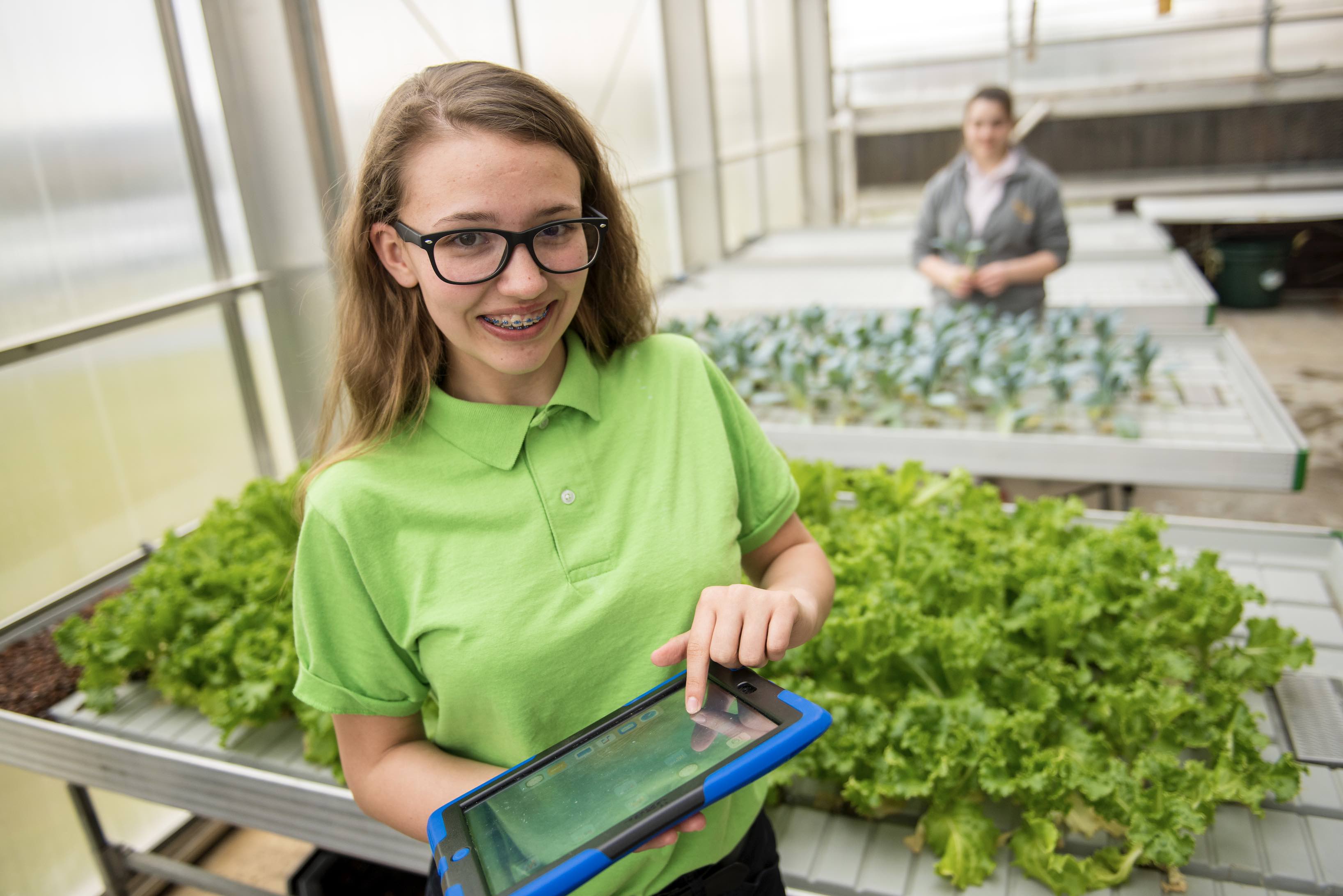
- Three climate-controlled greenhouses that are divided into areas for age-appropriate activities and learning. They are defended to modern agricultural technologies, including hydroponics.
In 2017, Milton Hershey School added its STEAM Projection Market to the Agricultural and Ecology Education (AEE) plan's Horticultural Center. Project Market is a year-round market open to the campus community and the public. It operates through an authentic, pupil-run business model, providing a pipeline for students to develop student-produced products for auction. They are involved in all facets of Project Marketplace including marketing, advertising, logo and branding development, client service, inventory command and management, research and design in product development, and entrepreneurial skills.
Through hands-on learning opportunities provided by AEE at the Horticultural Heart and specialized Agriculture and Natural Resources classes through the schoolhouse's award-winning Career and Technical Education (CTE) program, MHS students are continuing the school'southward tradition of learning by doing.

Combining science and art, agricultural and environmental education helps fulfill Milton Hershey's vision for the school and town he created.
As he shared with a local newspaper in 1938, "The more beautiful you make something which people can meet and use, the more enjoyment they will get out of it. At to the lowest degree that is the style information technology looks to me."

Source: https://www.mhskids.org/blog/history-of-horticulture-at-mhs/
0 Response to "The Science and Art of Growing Fruits Vegetables Flowers or Ornamental Plants"
Post a Comment